I. Introduction
Rhombus marble tile, with its distinctive rhombus shape, is gaining popularity in interior design for its unique and stylish appearance. This type of marble tile offers a modern twist to traditional square or rectangular tiles, adding a geometric flair to interior spaces. Its growing popularity can be attributed to its ability to create visually appealing patterns and designs, making it a favorite choice for creating accent walls, backsplashes, and flooring in both residential and commercial settings.
II. What is Rhombus Marble Tile?
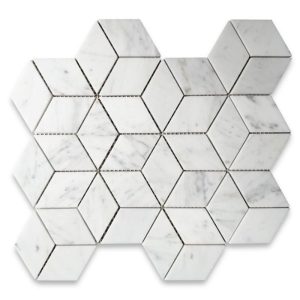
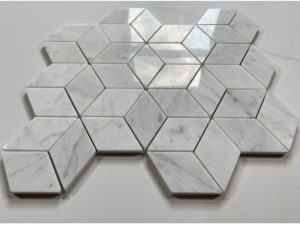
It is a type of marble tile that is shaped like a rhombus, also known as a diamond shape. Unlike traditional square or rectangular marble tiles, which have straight edges, they have four equal sides with opposite sides parallel to each other.
These tiles are often used in interior design to create unique and eye-catching patterns on floors, walls, and other surfaces. The rhombus shape offers a modern and geometric look, adding a sense of depth and dimension to any space. Additionally, the unique shape allows for different installation patterns, such as herringbone or chevron, that can't be achieved with traditional square or rectangular tiles.
One of the key advantages of it is their ability to create visually interesting and dynamic designs. The diagonal orientation of the tiles can elongate a space, making it appear larger. Additionally, the natural veining and color variations found in marble add to the overall aesthetic appeal of the tiles, creating a luxurious and elegant look.
III. Advantages of Rhombus Marble Tile
They offers several advantages that make it a popular choice for interior design:
- Aesthetics: It is prized for its visual appeal, characterized by its elegant veining and luxurious appearance. The unique rhombus shape allows for the creation of dynamic patterns and designs, adding a sophisticated touch to any space.
- Versatility: One of the key advantages of rhombus marble tile is its versatility. It can be used in a variety of applications, including flooring, backsplashes, and accent walls. Its unique shape and pattern options make it a versatile choice for both residential and commercial spaces.
- Durability: Marble is a natural stone known for its durability and longevity. When properly cared for, they can withstand the test of time, making it a practical and cost-effective choice for long-term use.
IV. Installation of Rhombus Marble Tile
Preparation: Steps Involved in Preparing the Surface for Installation
- Surface Inspection: Ensure the surface is clean, dry, and level. Remove any debris, old adhesive, or irregularities that could affect the installation.
- Substrate Preparation: Check that the substrate is stable and suitable for marble tile installation. Use a cement backer board if necessary to provide a strong foundation.
- Layout Planning: Plan the layout of the tiles to minimize cuts and ensure a balanced appearance. Mark reference lines on the surface to guide the placement of the tiles.
- Material Acclimation: Allow the rhombus marble tiles to acclimate to the room temperature and humidity by laying them out in the installation area for at least 24 hours.
Installation Process: Overview of the Installation Process, Including Tips for Ensuring a Seamless Installation
- Mixing Adhesive: Mix a high-quality thin-set mortar according to the manufacturer's instructions. Use the correct ratio of water and adhesive to ensure proper consistency.
- Applying Adhesive: Spread the adhesive on the surface using a notched trowel, starting from the center of the marked reference lines. Apply a thin, even layer to avoid creating air pockets.
- Placing Tiles: Press each rhombus marble tile firmly into the adhesive, following the layout plan. Use tile spacers to maintain consistent gaps between tiles for grouting.
- Adjustments: Make any necessary adjustments to the tiles within the adhesive's working time. Use a level to ensure the tiles are even and properly aligned.
- Cutting Tiles: Cut tiles as needed using a wet saw with a diamond blade designed for marble. Ensure cuts are precise to maintain the overall pattern and design.
Grouting and Sealing: Importance of Grouting and Sealing to Protect the Tile and Enhance Its Longevity
- Grouting Preparation: Allow the adhesive to set for at least 24 hours before grouting. Remove tile spacers and clean the tile surface to remove any adhesive residue.
- Mixing Grout: Prepare the grout according to the manufacturer's instructions. Use the appropriate type of grout for marble tiles, typically unsanded grout to avoid scratching the surface.
- Applying Grout: Spread the grout over the tiles using a rubber float, pressing it into the gaps between tiles. Work in small sections to ensure even application.
- Cleaning Excess Grout: Wipe off excess grout from the tile surface using a damp sponge. Rinse the sponge frequently and avoid using excessive water, which can weaken the grout.
- Sealing the Tiles: After the grout has cured, apply a high-quality sealer to the marble tiles and grout. Sealing protects the marble from stains and moisture, enhancing its longevity.
- Maintenance: Regularly clean and reseal the marble tiles to maintain their appearance and durability. Follow the manufacturer's recommendations for cleaning products and sealing frequency.
By following these steps, you can ensure a successful installation of rhombus marble tiles, resulting in a beautiful and durable finish that enhances the aesthetics of your space.
V. Care and Maintenance of Rhombus Marble Tile
Cleaning: Best Practices for Cleaning Rhombus Marble Tile to Maintain Its Beauty
1. Regular Dusting and Sweeping:
- Use a soft, dry mop or a microfiber cloth to remove dust and dirt particles regularly.
- Avoid using rough or abrasive materials that can scratch the surface of the marble.
2. Gentle Cleaning Solutions:
- Prepare a mild cleaning solution by mixing pH-neutral soap with warm water.
- Avoid using acidic or alkaline cleaners, as they can etch or dull the marble surface.
3. Soft Cloth or Sponge:
- Use a soft cloth or sponge to apply the cleaning solution to the marble tile.
- Gently wipe the surface, focusing on any spots or stains.
- Rinse the cloth or sponge frequently to avoid spreading dirt.
4. Rinsing and Drying:
- After cleaning, rinse the marble tiles with clean water to remove any soap residue.
- Dry the tiles thoroughly with a soft, dry towel to prevent water spots and streaks.
Maintenance: Tips for Maintaining and Preserving the Appearance of Rhombus Marble Tile Over Time
1.Sealing:
- Apply a high-quality marble sealer to protect the tiles from stains and moisture.
- Reseal the marble every 6-12 months, depending on the level of use and wear.
2. Stain Prevention:
- Wipe up spills immediately to prevent staining, especially liquids like wine, coffee, and acidic substances.
- Use coasters, placemats, and trays to protect the marble from spills and scratches.
3. Avoid Heavy Impact:
- Prevent heavy or sharp objects from falling onto the marble tiles to avoid chips and cracks.
- Use felt pads or protective mats under furniture and heavy items.
4. Routine Inspection:
- Regularly inspect the marble tiles for any signs of damage or wear.
- Address any issues promptly to prevent further deterioration.
5. Professional Maintenance:
- Consider professional cleaning and polishing services periodically to restore the marble’s natural shine and beauty.
- Professional services can also assess and repair any significant damage.
By following these cleaning and maintenance tips, you can preserve the elegance and longevity of your rhombus marble tile, ensuring it remains a stunning feature in your space for years to come.
VI. Summary
Rhombus marble tile, with its unique geometric shape and elegant appearance, is an increasingly popular choice in interior design. Its ability to create visually dynamic patterns makes it a versatile option for various applications, including floors, backsplashes, and accent walls. The installation process requires careful preparation and attention to detail, including proper surface preparation, precise tile placement, and effective grouting and sealing. To maintain the beauty and durability of rhombus marble tile, regular cleaning with gentle solutions, routine maintenance such as sealing and stain prevention, and periodic professional care are essential. By following these guidelines, they can remain a stunning and long-lasting feature in any space.